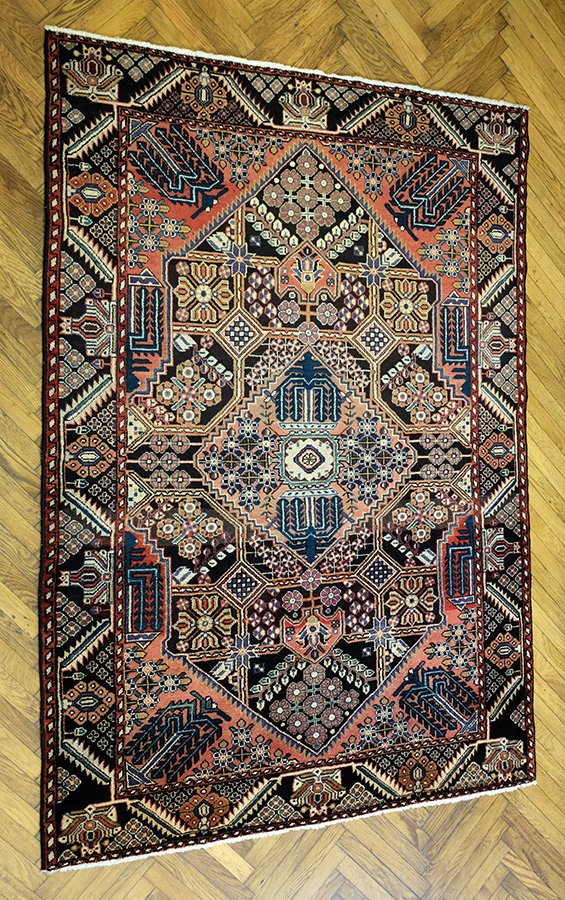
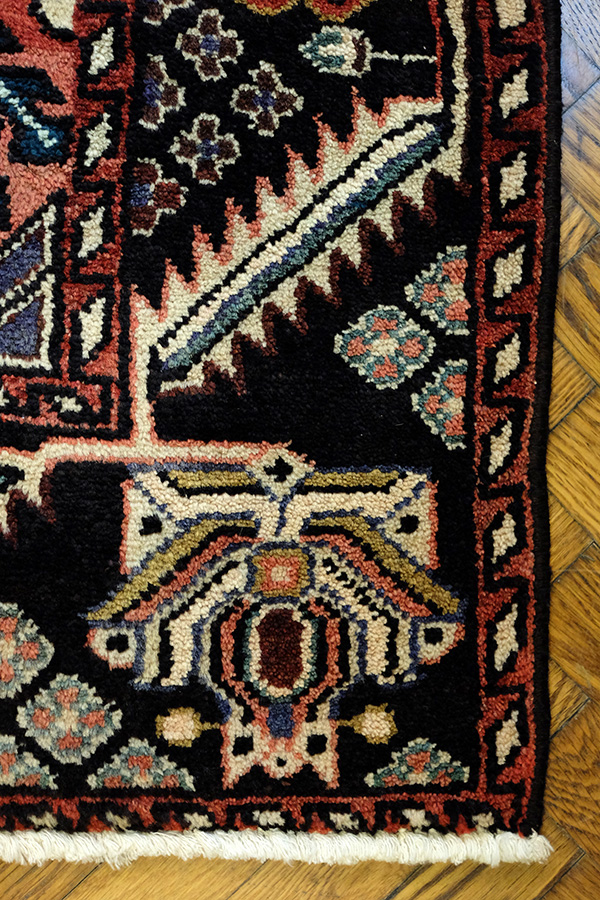
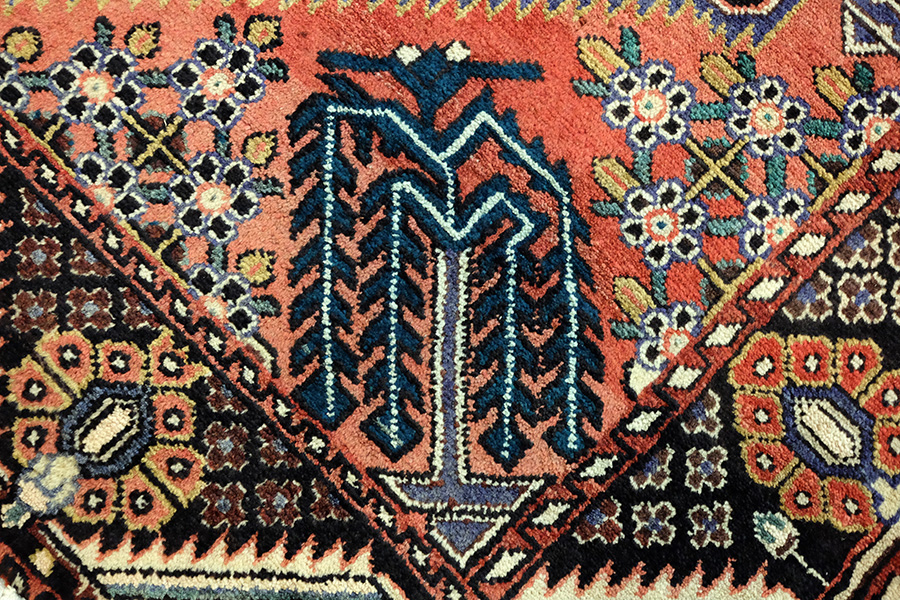
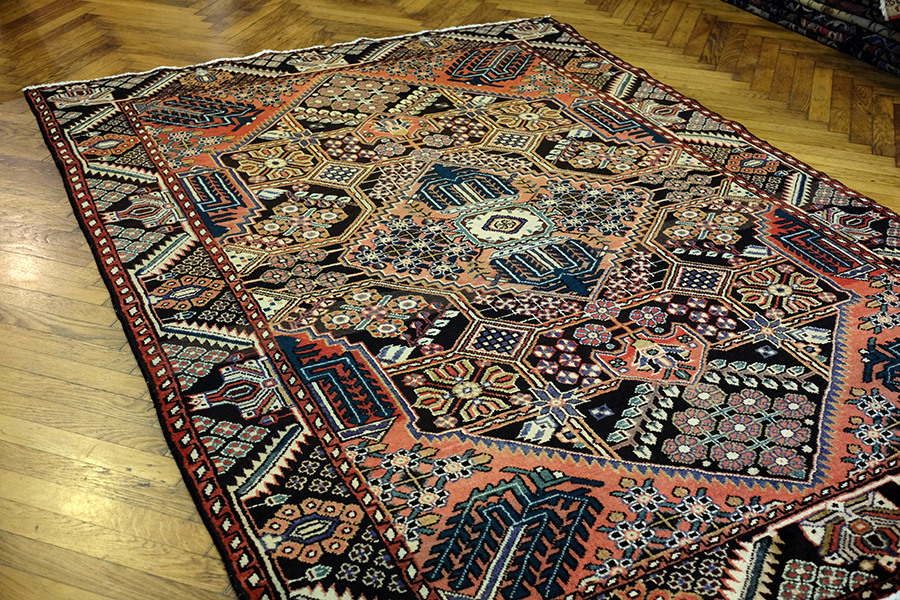
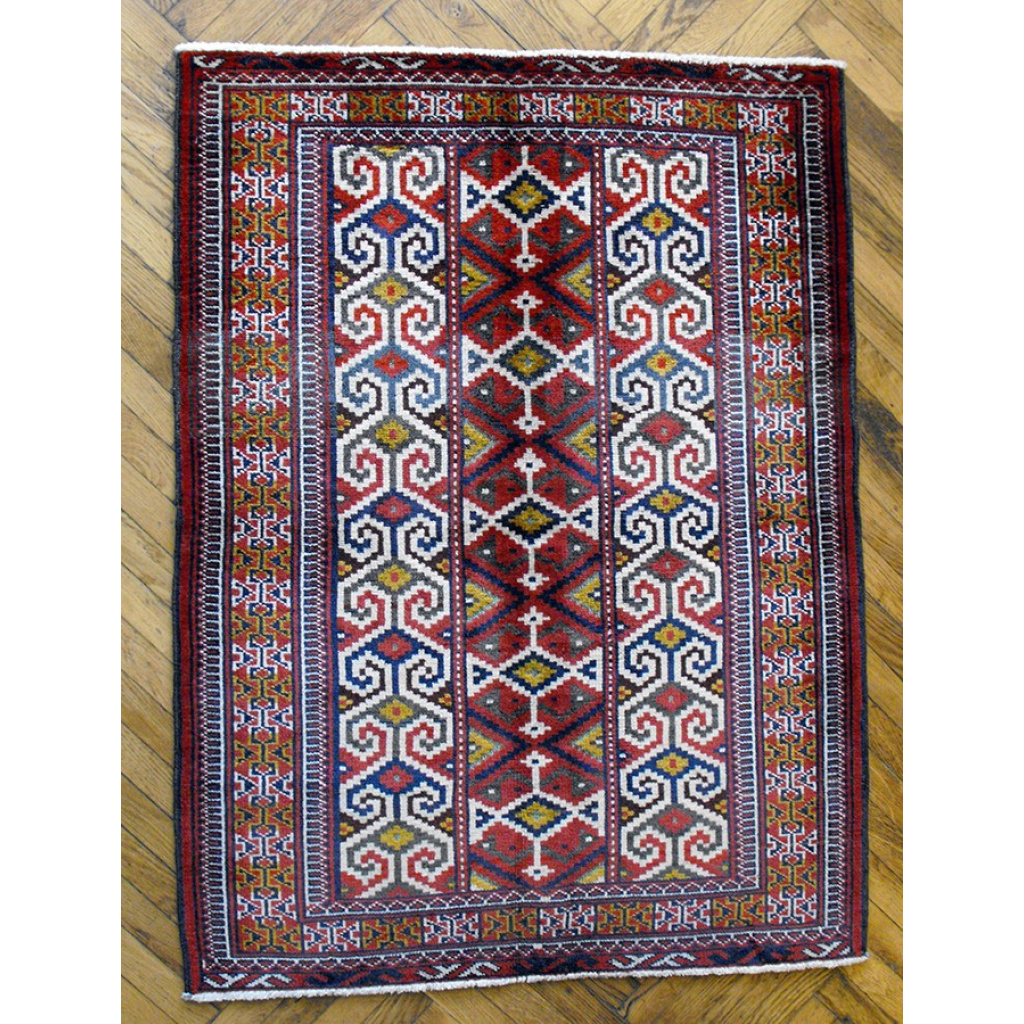
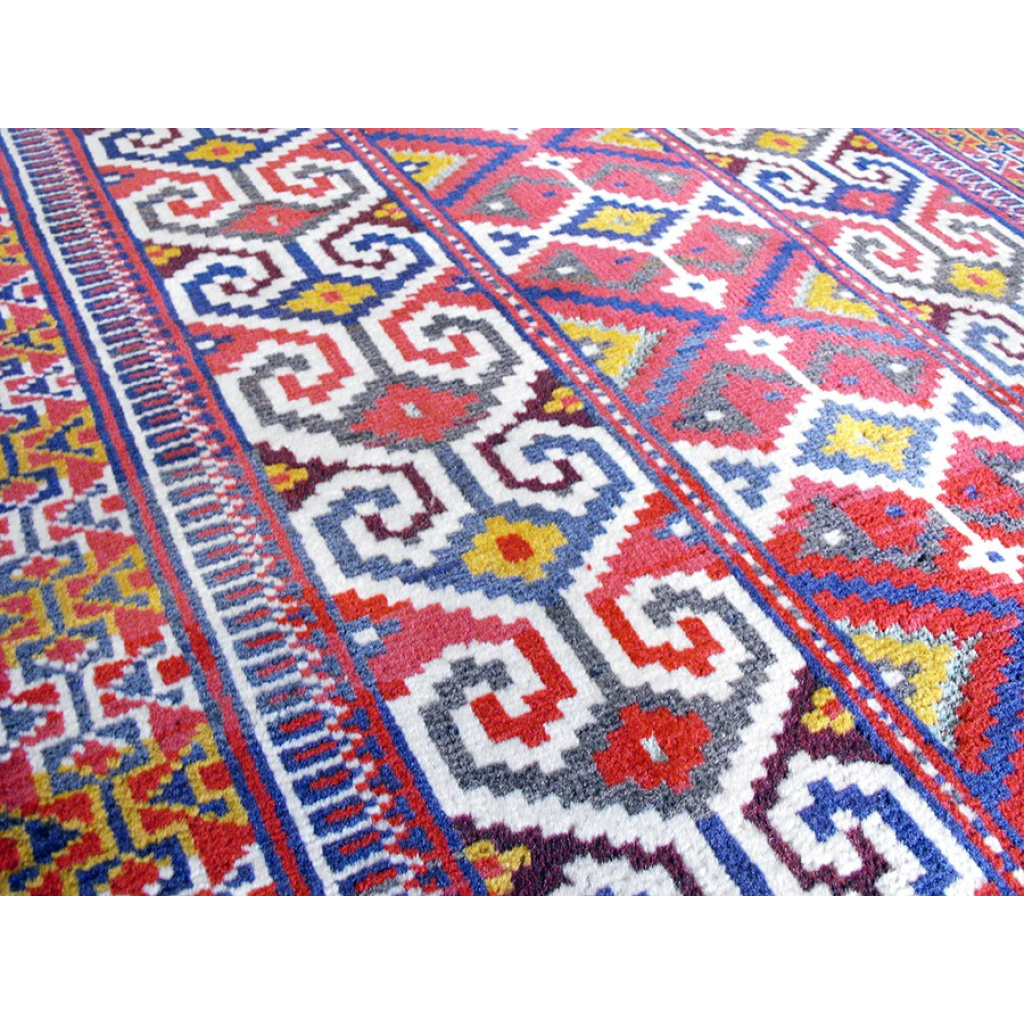
Hamadan is one of the oldest cities in the world and has been an important commercial and administrative center of Iran for many centuries. In the 6th century BC, it was the capital of the Median kingdom under the name Ecbatana and later the summer residence of the Persian Achaemenid dynasty. The city lies on a vast plateau at an altitude of 1,800 meters at the foot of Mount Alvand, which is why it has a climate with mild summers and cold winters. Due to its strategically important location between the former Persia and Mesopotamia, the city has been the target of various armies many times. It was captured by Alexander the Great, and later in the eleventh century, the Seljuks occupied the entire Hamadan region and neighboring Azerbaijan. Despite the fact that the entire area was marked by the cultural influence of the Turkic-Altaic peoples, the Persian language (Farsi) is still spoken in Hamadan today, unlike the surrounding countryside where the Turkish dialect dominates the speech. Carpets from over 600 villages west and north of Hamedan await buyers in the Hamedan bazaar. The population of these villages also consists of many Kurds, through whom carpets from Bijar and Sanandaj also find their way to the bazaars, which causes confusion in determining the origin of the carpet. A few decades ago, each village had a characteristic combination of patterns and colors for carpets, so that the merchants of the Hamedan bazaars could quickly recognize a real Hamedan carpet. A characteristic of Hamedan carpets is that they have one transverse cotton thread between two rows of knots, the knots are symmetrical, the basic structure is always made of cotton, with the exception of a few very old carpets. Otherwise, the nomadic Baluchis and Bakhtiari also use this production technique, but they differ from them in the type of wool. The more important carpet-making areas are Dergazin, Mehriban, Khamseh, Borchalou, and in just one area there can be more than 40 villages. In the 16th century, the Safavid Shah Tahmasp gifted a carpet from the Dergazin area to the Ottoman Sultan Suleiman the Magnificent, which means that in addition to traditional carpets, they also knew how to make finer carpets for the courts.